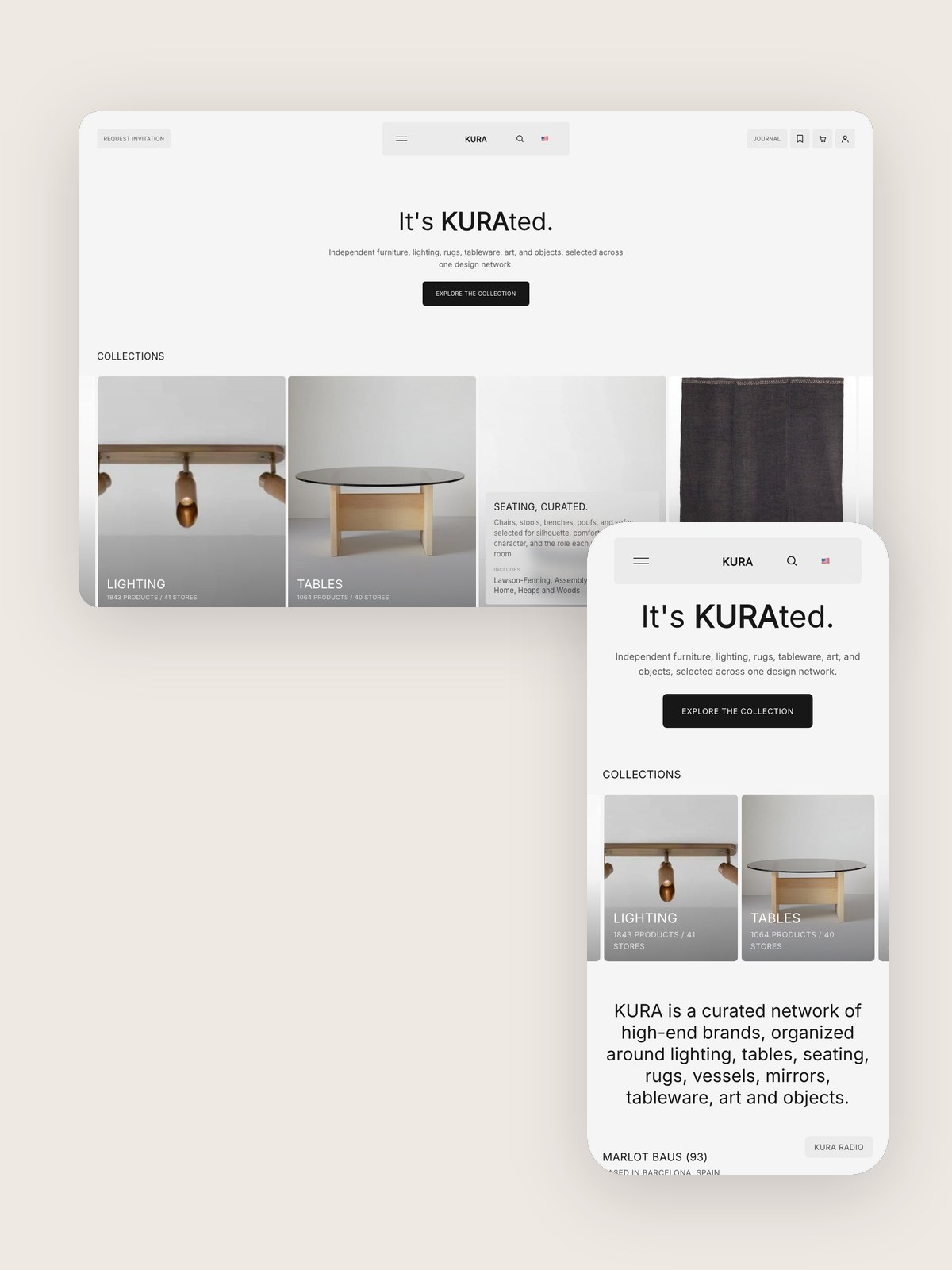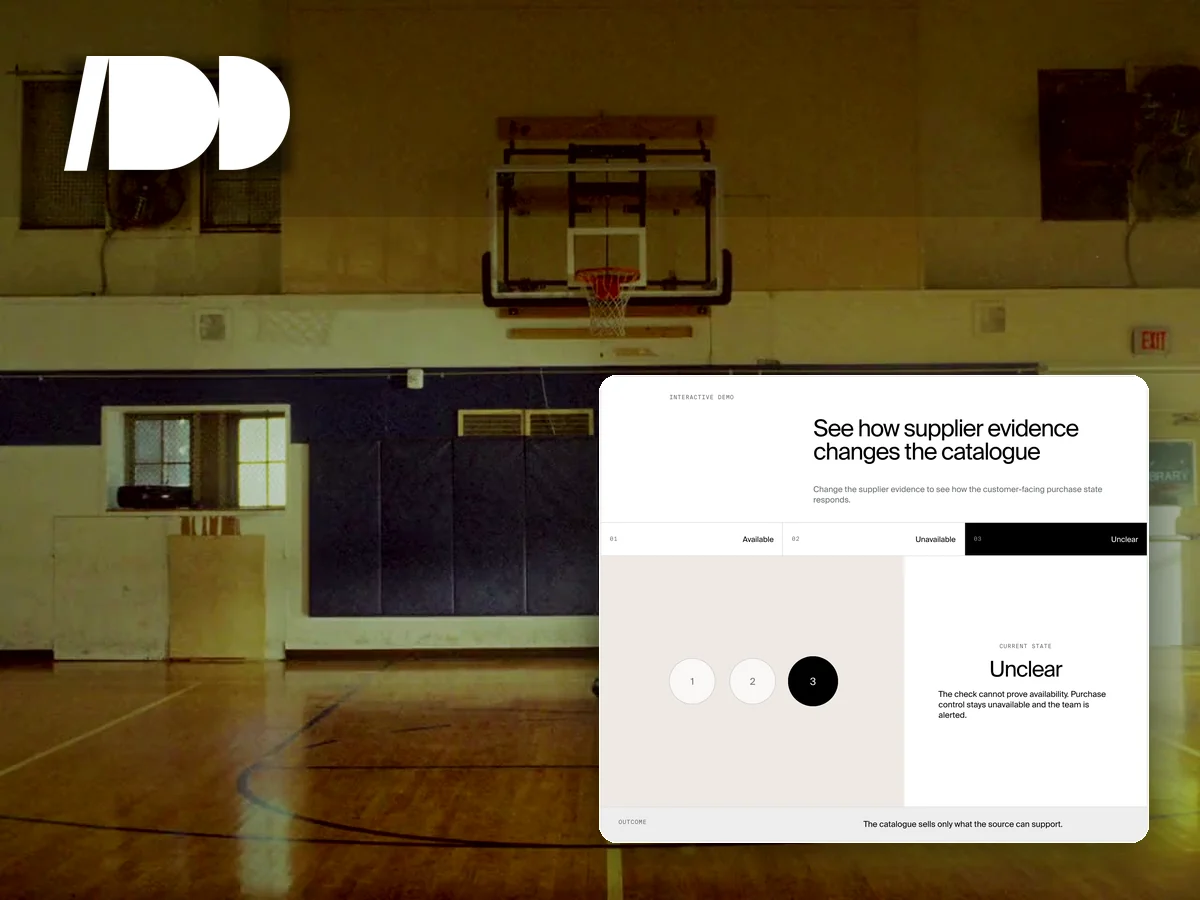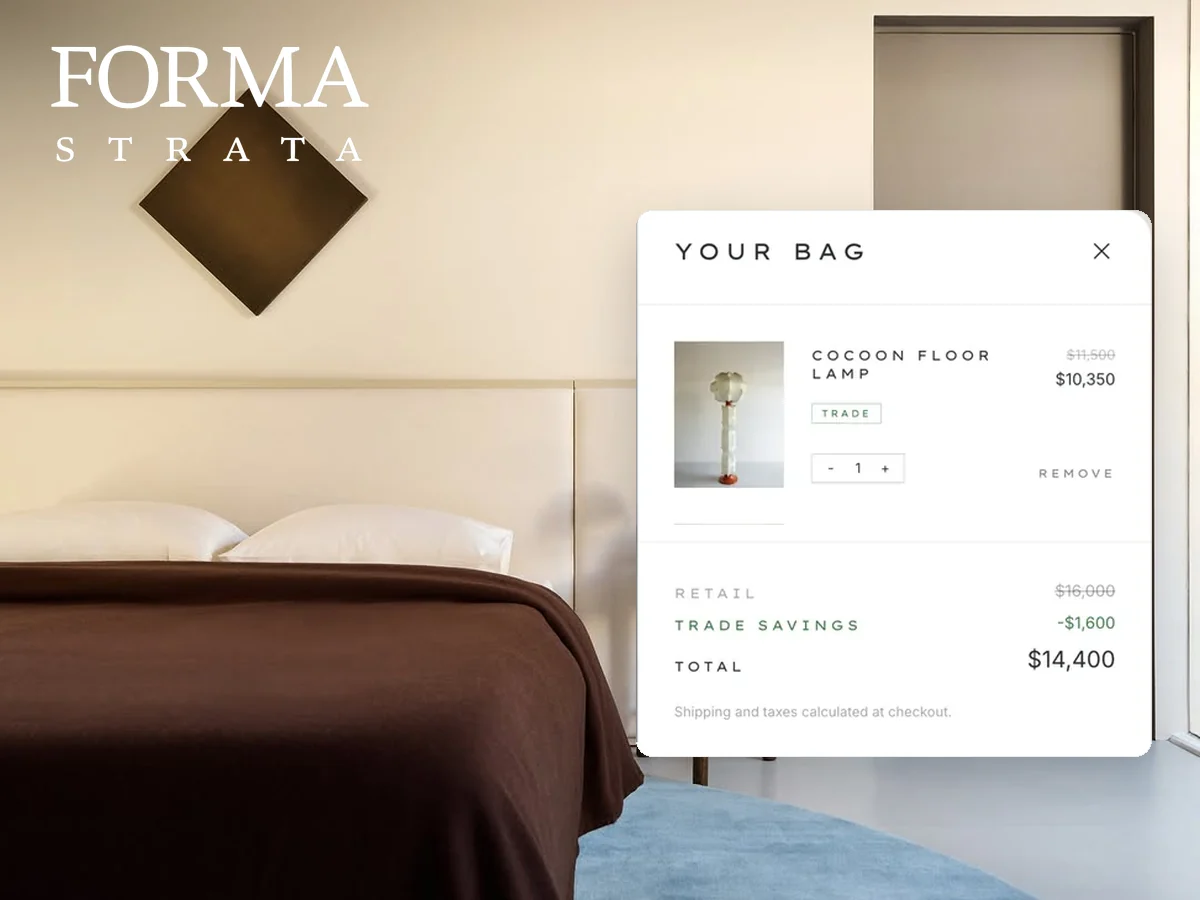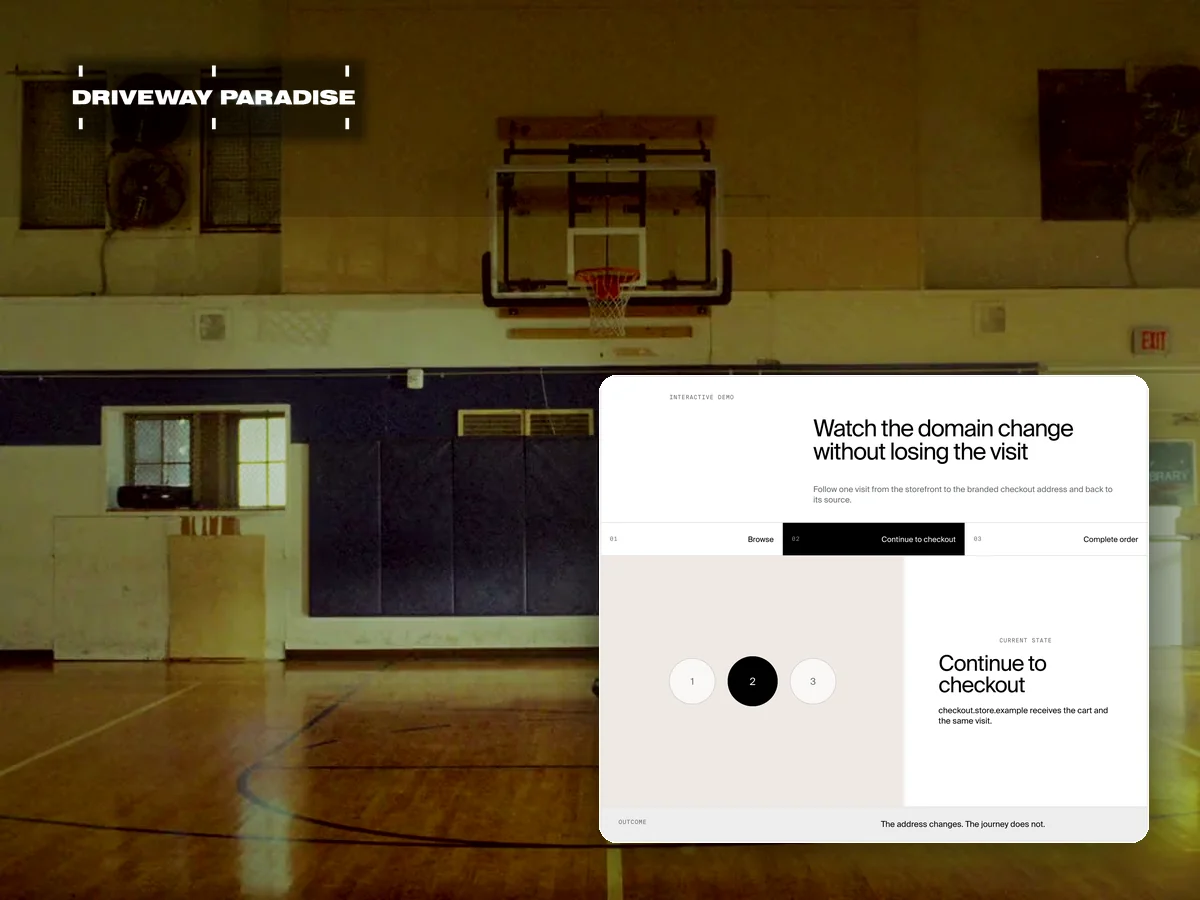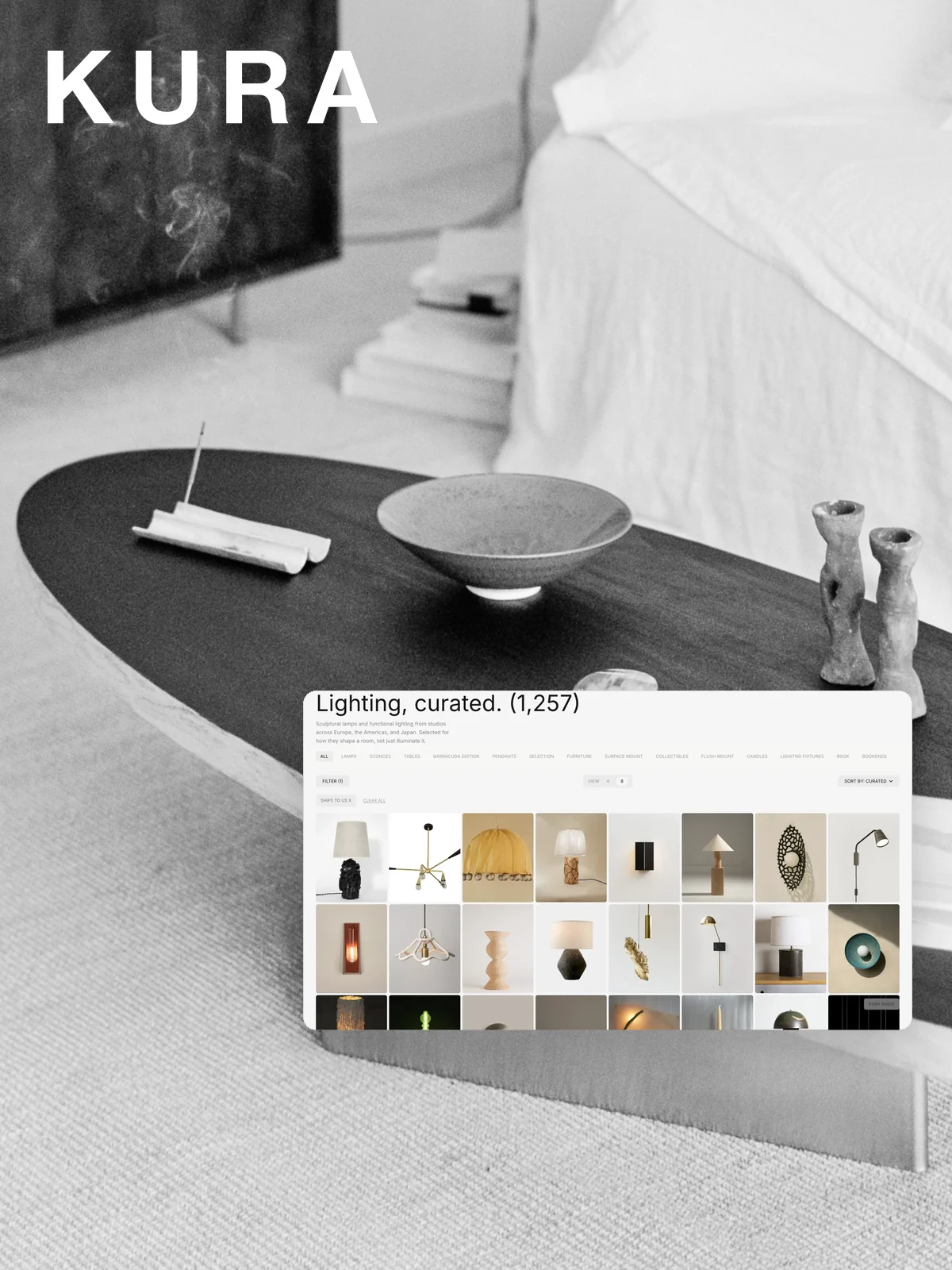
Independent shops each structure products, categories, and attributes differently. A discovery platform cannot compare them until that variation is normalized. It also should not pretend to own the checkout when each source store already does.
Interactive demo
Normalize different stores into one product view
Switch between source records to see how different product fields become one comparable view.
- CurrentStore A
- NextStore B
- NextStore C
- NextUnified view
Current state
Store A
Category: Seating. Material: Oak. Source retained.
How it works
- Each participating store connects its own catalogue to the marketplace.
- Product fields are normalized into shared categories and attributes for discovery.
- The marketplace presents products from many stores through one search and browse experience.
- Every product keeps its source store and current availability.
- The shopper continues to the source store to complete checkout there.
What becomes easier for your team
- Copying products from each store into a central catalogue.
- Renaming the same attribute by hand for every source.
- Pretending one marketplace owns another store's checkout.
- Losing the source store behind a product card.
What we connect
Independent store catalogues, normalized categories, searchable attributes, source-store identity, availability, product pages, and each store's own checkout route.
Good for
Curated directories, multi-brand discovery, buying guides, regional design platforms, and groups that want one browse layer across independent stores.
Get it on your store
Available through a Systems Build. Show us the stores, the fields they disagree on, and where the shopper should complete purchase. We will define the shared catalogue without taking ownership away from the source. Tell us about the store.