













Live on every store
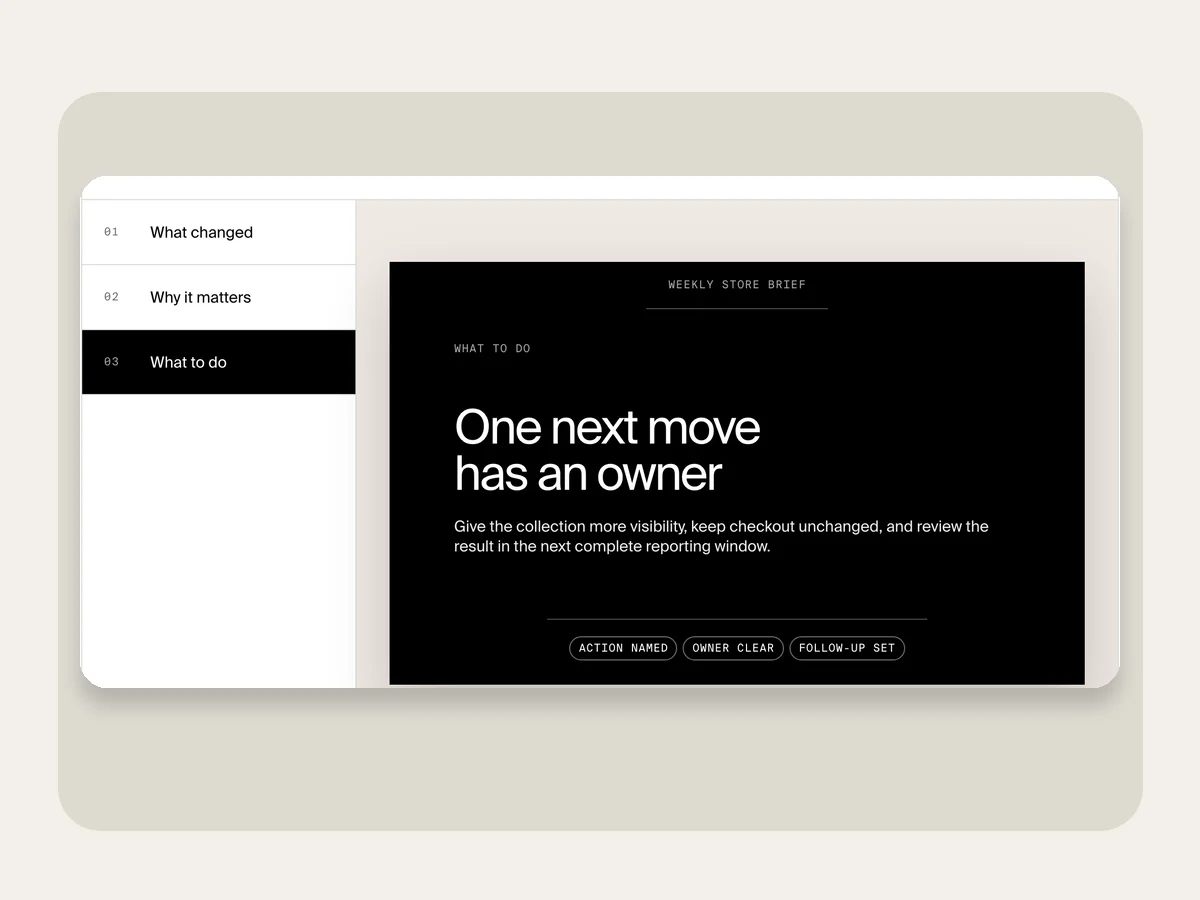
Every week starts with what changed, why it matters, and what should happen next. The report brings store, traffic, search, and campaign signals together, then checks the numbers before anyone acts on them.
Explore useful commerce capabilities around the way your customers buy.
Commerce capabilities
Trade portals, markets, configurators, subscriptions and migrations solve different buying and operating needs. One defined system is included in a Systems Build. Capabilities can also be scoped for a store we run.
Scope your store system
Wholesale, trade and specification buyers on the same store as retail, without a second site or a spreadsheet of quotes.
B2B and trade portal
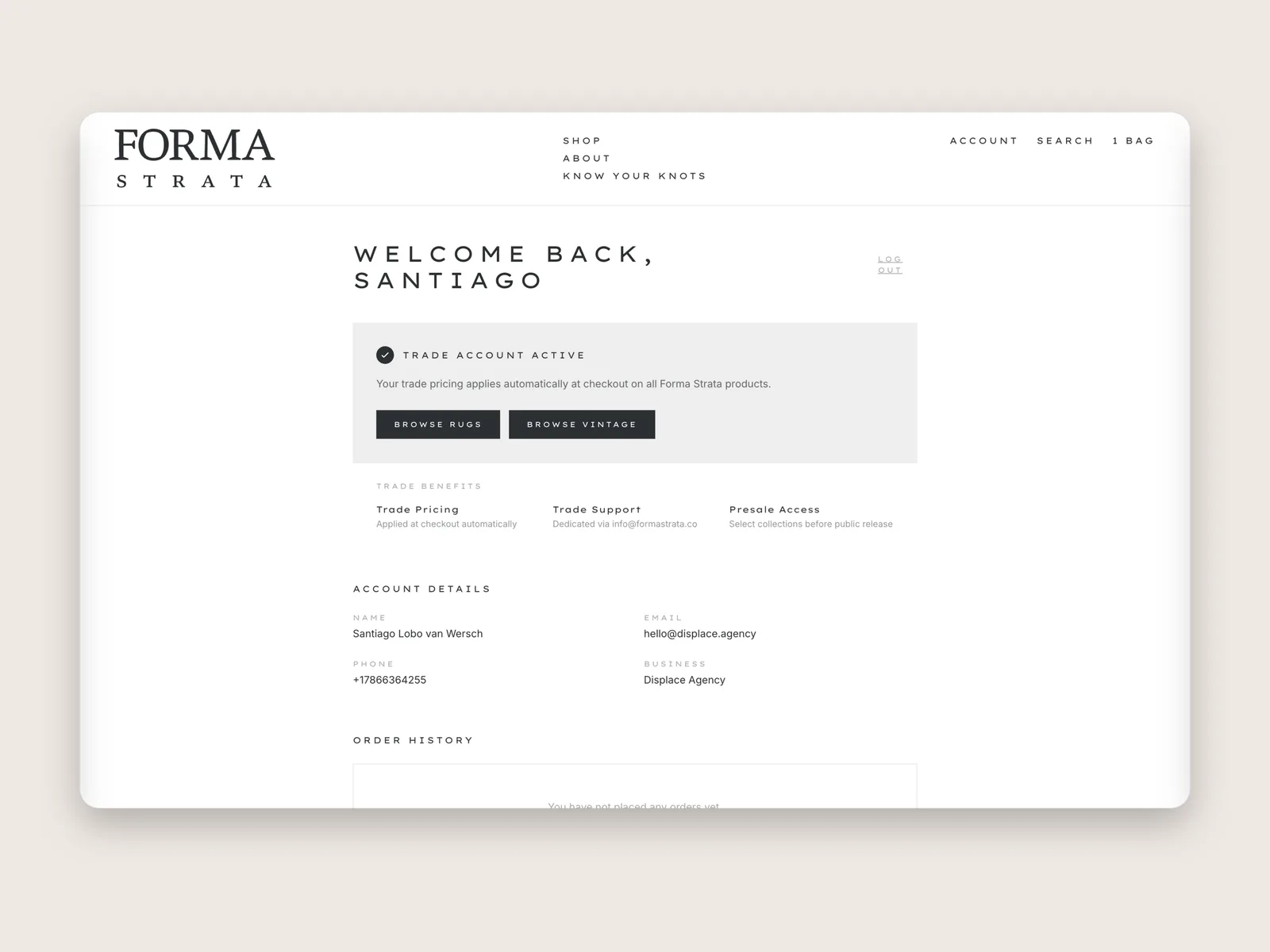
Registration, approval, trade pricing and net terms on one catalogue, proven on Forma Strata.
Trade pricing tiers
Retail and trade prices from the same product, shown to the right account with no manual quoting.
Approval and net terms
Trade applications reviewed by you, terms applied by the store.
Split CRM for retail and trade
Retail in Klaviyo, trade in HubSpot, each flow in the right tool.
Trade specification layer
Sample requests, spec sheets and architect accounts for materials and furniture brands, scoped with a stone studio.
Staff back office tools
Custom order entry, delivery proof and a saved customer directory for the team, proven on Forma Strata.
Trade administration on Run
Approvals, price updates and trade reports handled every month once the portal is live.
More markets, more channels, more brands, one catalogue and one team running it.
Multi-market
Currencies, duties and markets from one catalogue on Shopify Markets.
Languages and right to left
Every page and product kept current in each language, including right to left scripts.
Shopping feeds
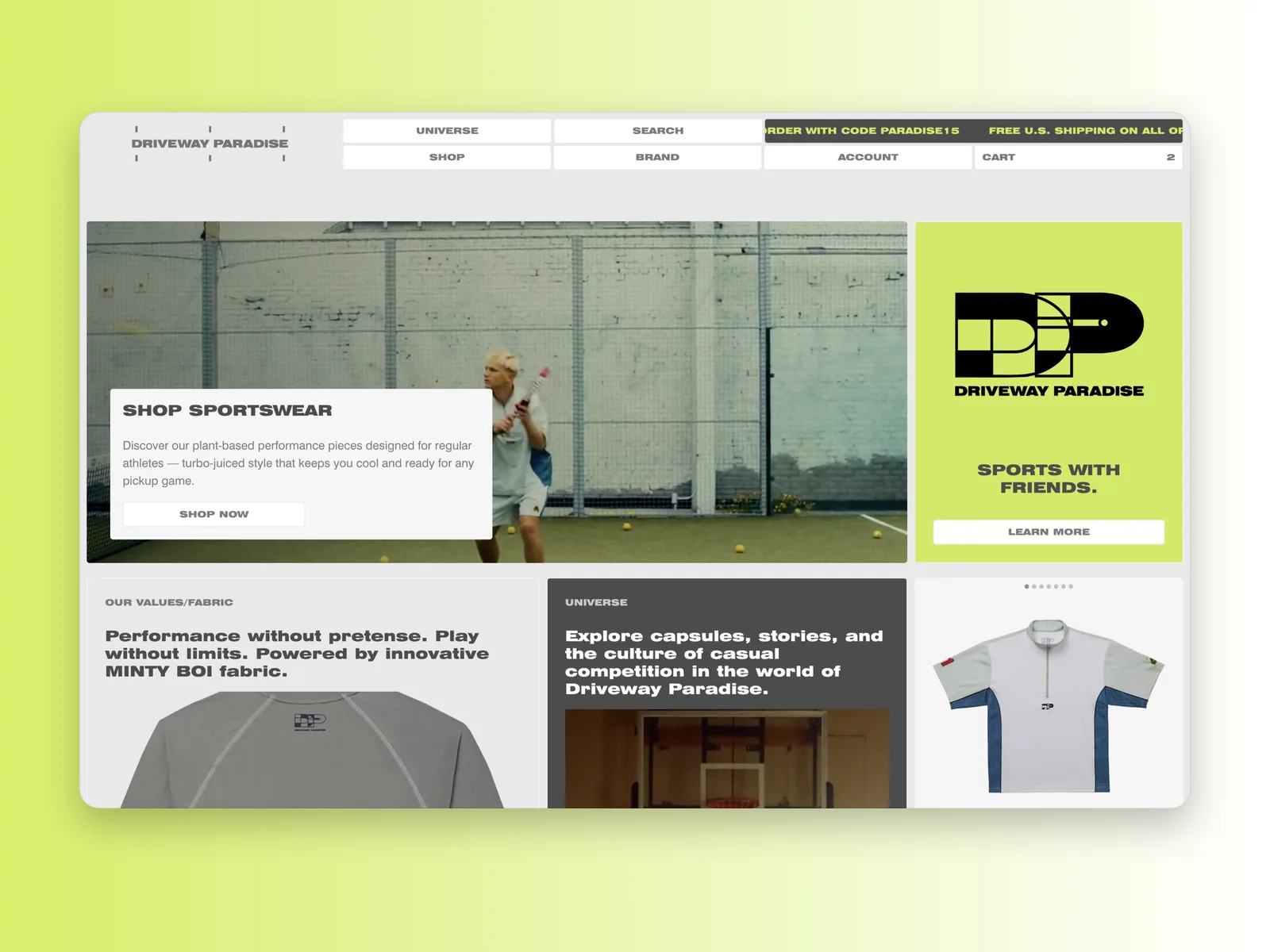
Google Merchant Center and Meta catalogues set up, approved and kept clean, proven on Driveway Paradise and Forma Strata.
Marketplace and multi-brand platform
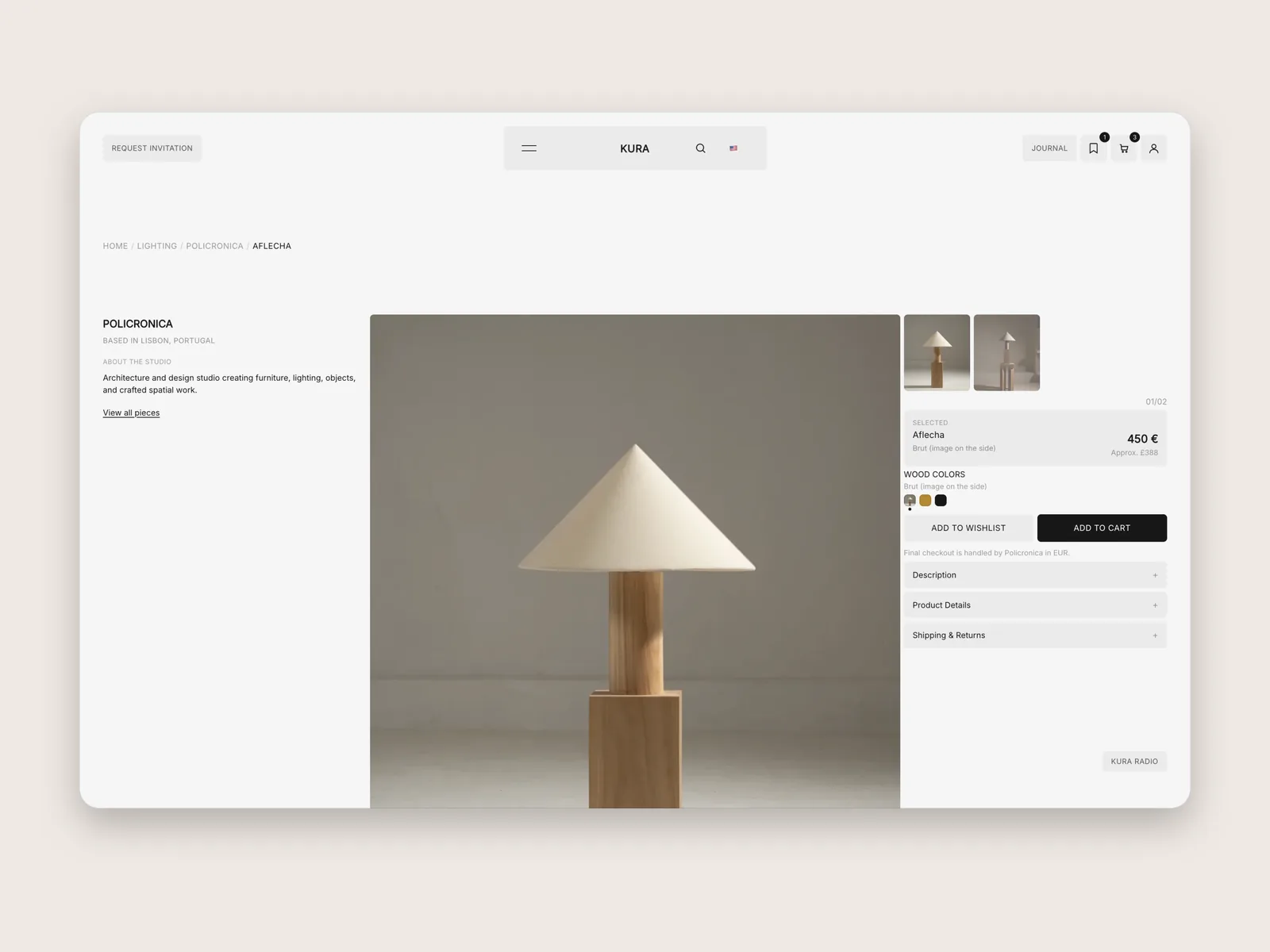
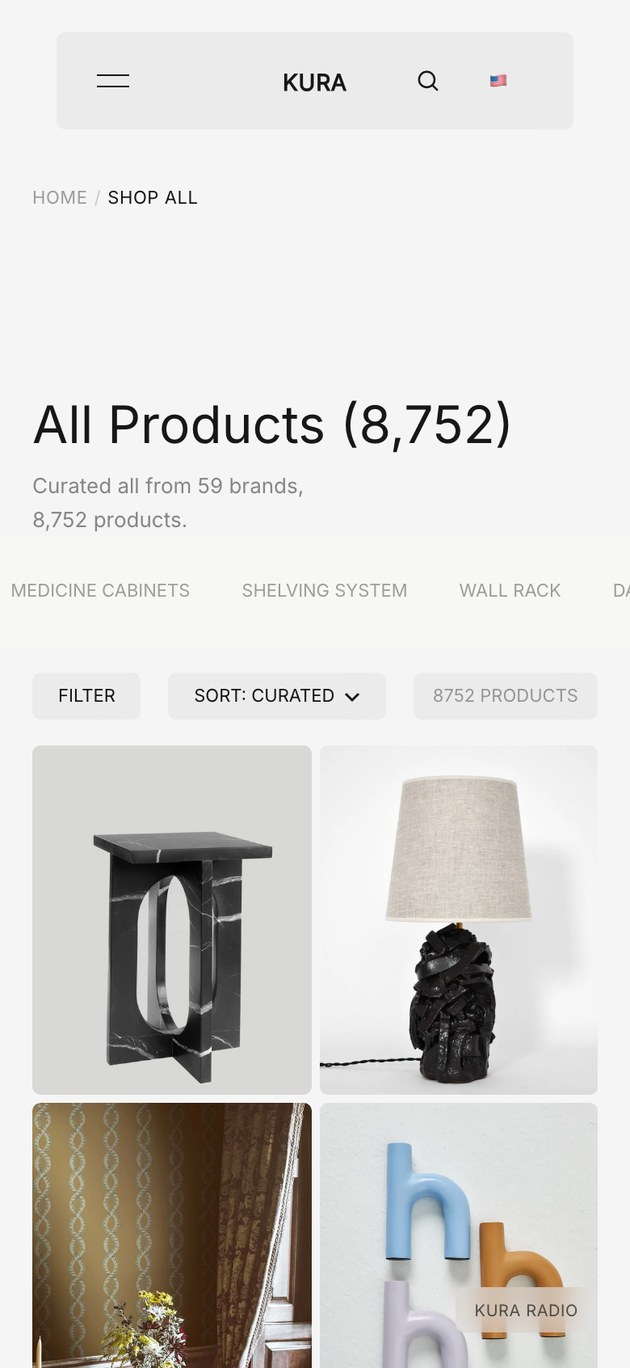
One discovery storefront across many independent Shopify stores, with referral attribution and an apply to sell pipeline, the system behind KURA.
POS and locations
Shopify POS for a physical shop, one inventory across the shop floor and online.
Companion iOS app
A native app on the store's own catalogue, with crash and product analytics, proven on Driveway Paradise.
Migration from a complex platform
Products, customers, orders and redirects moved from Webflow, WooCommerce, Magento or a custom stack without losing rank, proven on Parure London.
Products that need more than an add to cart button, and storefronts that need more than a theme.
Product configurator
Options, rules and pricing that build the product on the page, proven with a furniture brand.
3D product viewer
Rotate and inspect the real product before buying, from the brand's own models.
Pre-orders, drops and waitlists
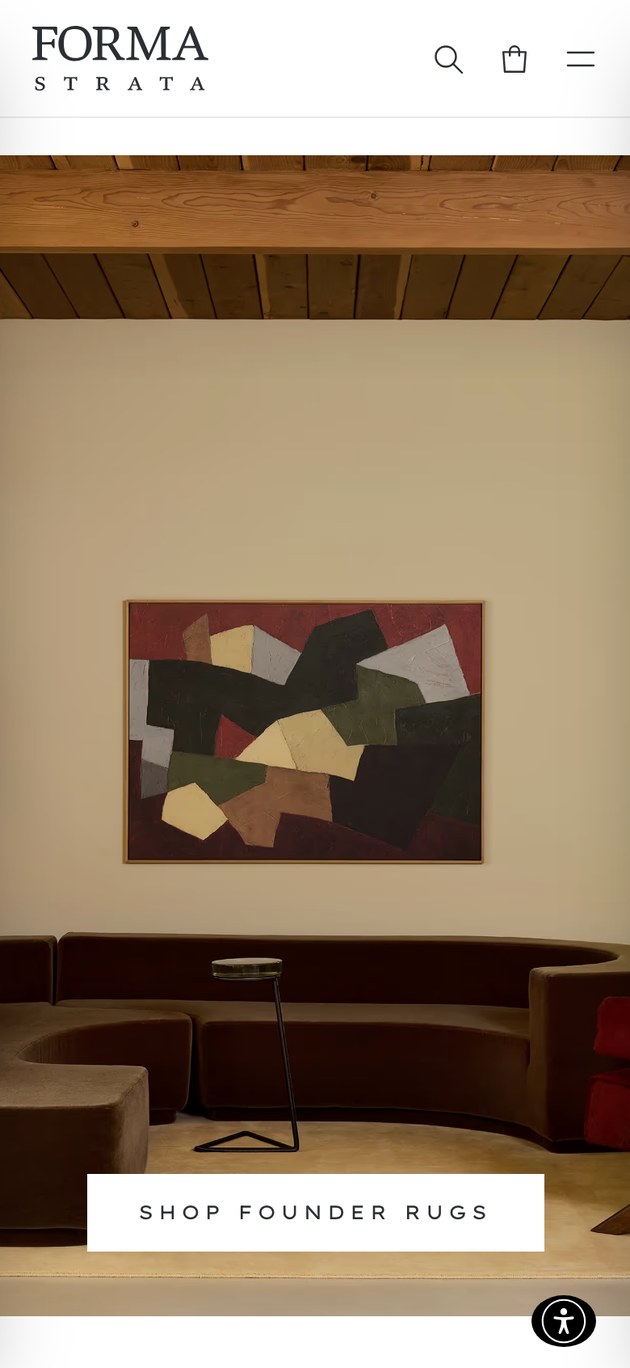
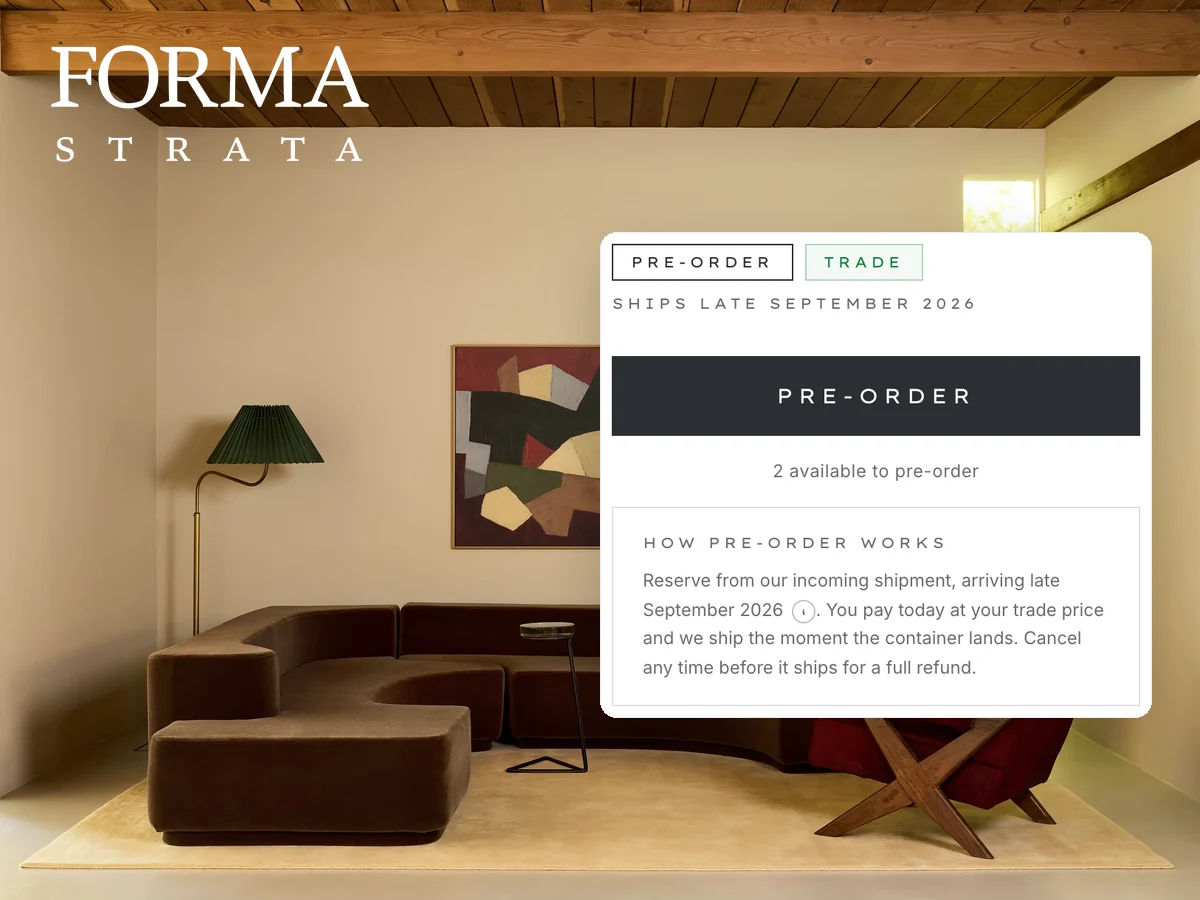
Presale automation with real delivery dates, capped quantities and stock aware add to cart, proven on Forma Strata.
Subscriptions and memberships
Recurring billing, a self serve customer portal and the lifecycle flows around it.
Custom checkout
Upsells, custom fields and checkout rules on Shopify Plus, scoped per store.
Inventory automation
Workers and daily checks that catch the stock and price changes a team misses, proven on Forma Strata.
Headless storefront
A custom front end on Shopify checkout for brands whose design has outgrown a theme, running on all four stores.
Checkout on its own subdomain
Shopify's checkout under a custom storefront, with attribution that survives the domain change, proven on Driveway Paradise.
AI search readiness
Schema, llms.txt and hreflang so the store is legible to search engines and AI answer engines, running on Forma Strata and KURA.
Agent ready checkout
Structured product data, policies and a checkout an AI shopping agent can read and buy from, scoped with the first stores now.
Every system is scoped before it is priced and priced as one figure in the proposal. Systems that need Shopify Advanced or Plus say so in the scope. A system on a store we run is maintained inside the Run tier once it ships.
1. We learn the brand. Products, customers, margins, what the last store got wrong.
2. We design and build. One team, one thread, a live staging link from the first week.
3. We connect everything. Payments, taxes, shipping, tracking, email, domain and legal, tested against real orders.
4. We stay on. Run starts on launch day and the same people keep the store fast, safe and improving.
Describe what the store cannot do today. We reply with how we would build it and what it would cost.

Live on every store
Every week starts with what changed, why it matters, and what should happen next. The report brings store, traffic, search, and campaign signals together, then checks the numbers before anyone acts on them.